01Settling in
Getting comfortable in the water
Joining in is a good start.
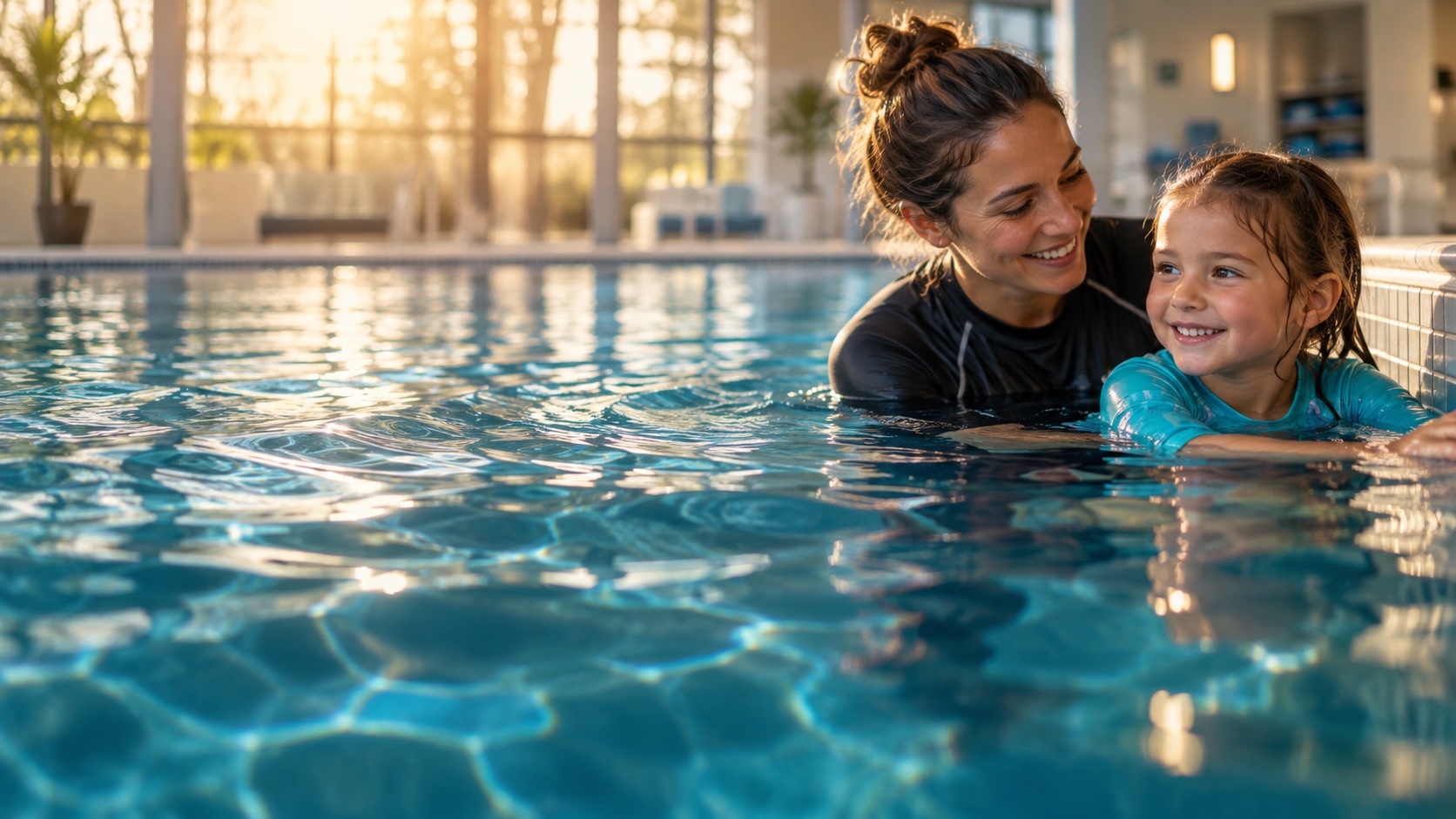
For a child who is unsure about the water, joining an activity can be a big step. They might still want reassurance from their teacher. Feeling more comfortable does not mean they suddenly stop needing help.
Blowing bubbles, floating and turning are all part of learning to swim. These skills help children get used to how the water feels and how their body moves in it. A lesson spent on the basics can be just as worthwhile as swimming further.
Look for a change that matters to your child. Perhaps they joined in more readily or felt able to tell the teacher what was worrying them. Progress will not always be measured in metres.
02Having another go
Why practice matters
Getting used to a skill takes time.
“We did that last week.” It is a familiar thing to hear after a lesson. Doing an activity again gives a swimmer time to get used to it and work on the parts they still find tricky.
A float might feel steadier. A turn might be easier to control. The activity can look much the same from the poolside while the child is learning something new about it.
One successful attempt is encouraging; being able to repeat it takes practice. If you are unsure what your child is working on, our teaching team can help explain the skill behind the activity.
03Enjoying the lesson
Learning through play
Fun is part of it.
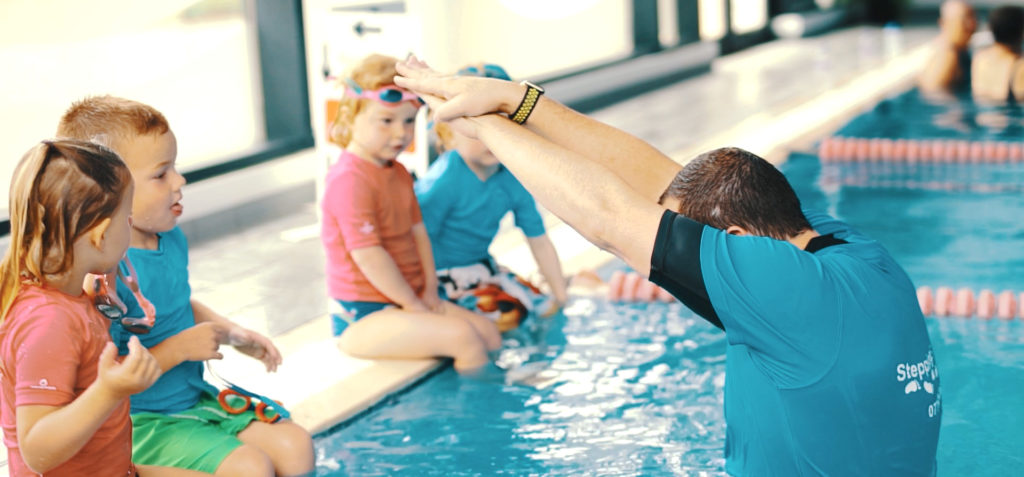
If the first thing your child tells you about is a game, that can be a good starting point for hearing about their lesson. Enjoying an activity and learning from it can happen together.
Games can give swimmers something simple to focus on while they move, balance or follow an instruction. A playful activity may involve several swimming skills, even if the child mainly remembers having fun.
There is no need to turn the journey home into a quiz. Let them tell you what they enjoyed. If they want to say more, you may hear about something that felt easier this time.
What are they practising?
Tap an activity to find out more.
Blowing bubbles
Blowing bubbles introduces breathing out into the water, one of the basic skills used in swimming.
Floating
Floating helps a swimmer become familiar with the support of the water and how their body balances.
Turning over
Moving between the front and back helps a swimmer learn to change position and control their movement.
04Noticing progress
Celebrate more than the medal
Their effort matters, too.
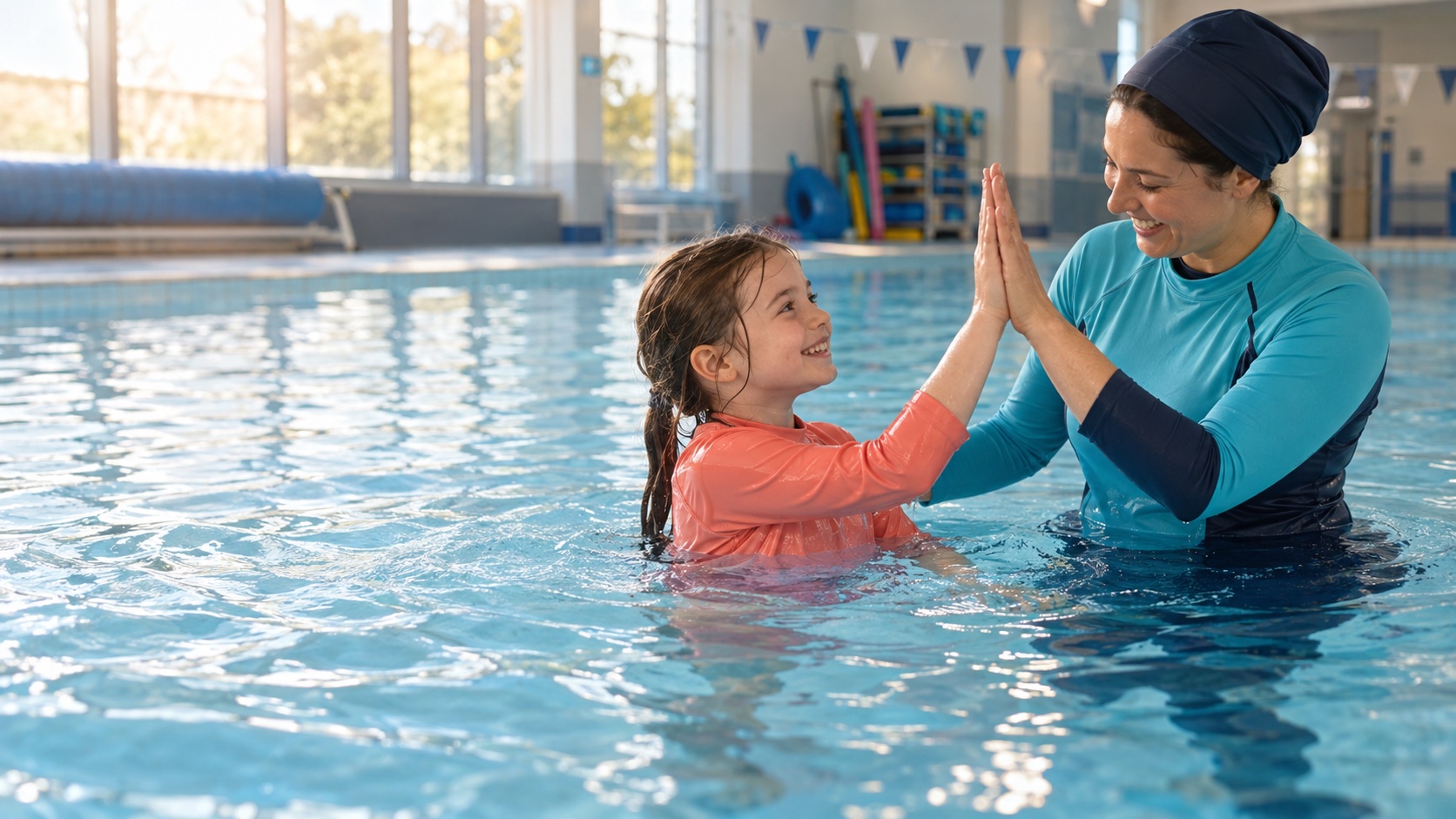
A Stepping Stones medal gives your child an achievement to feel proud of. The lessons along the way matter too: the practice, the things they found difficult and the moments when something clicked.
Keep encouragement simple and honest. If you noticed them having another go at something tricky, say so. A few words about what they actually did can mean more than a big speech about being brave.
There will be lessons when nothing dramatic happens. That does not make them wasted lessons. Let your child enjoy what went well without expecting a new breakthrough every week.
05Keeping in touch
Talk to us about the next lesson
Tell us what is on their mind.
If your child is worried about something in the pool, let our teaching team know. A particular skill, an instruction they did not understand or something they enjoyed gives us a useful place to start the conversation.
You do not need to solve it before the next lesson. Talk it through with us so we can discuss the support available and what your child is working towards.
Stepping Stones offers group lessons and children’s 1:1 lessons. If you are wondering which would suit your child, explore the options below and speak to us. We can help you understand the choices for your family.